A Homogeneous School Environment Didn’t Stop Pak Agus from Creating an Inclusive School

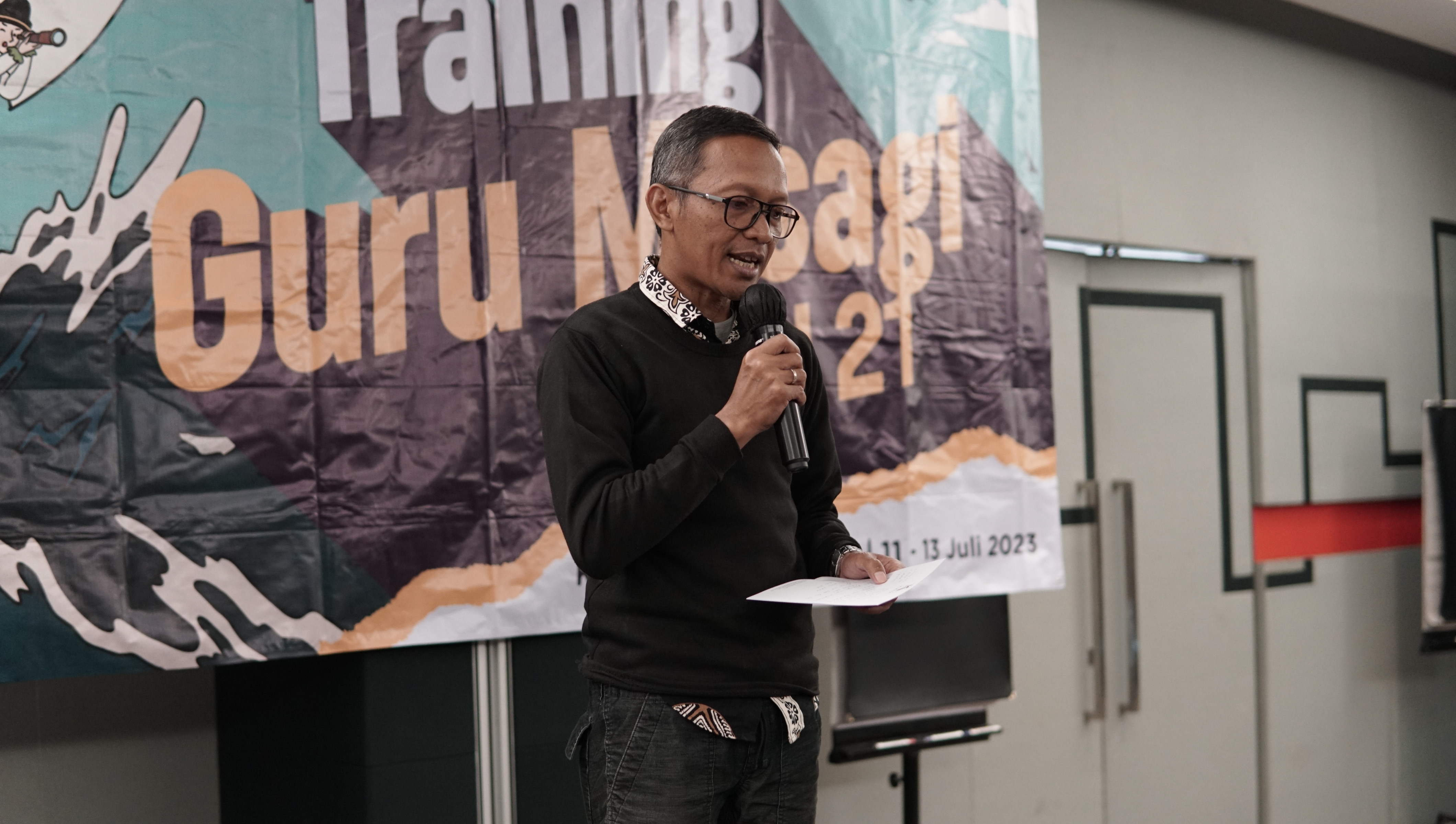
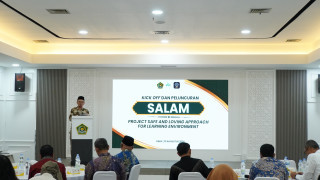
“I turned the diversity project carried out by SMK Gema Nusantara 5 Cikalongwetan in collaboration with SMAK Yahya Bandung into a pilot character education project for the Inspirational Teacher Competition at KCD Region VI, which covers West Bandung Regency and Cianjur. The project was recognized as one of the top three initiatives. This demonstrates that the approach facilitated by PeaceGen has received academic recognition from a panel of judges consisting of education practitioners and school supervisors from KCD Region VI.”
— Pak Agus
There is one thing Pak Agus has always wanted to teach his students beyond the lessons in Civics: how to understand others.
For more than 20 years, Pak Agus has dedicated himself to teaching Civics at SMK Gema Nusantara 5. Throughout his teaching journey, he has believed that education is about more than delivering theories and pursuing academic achievement. School should also be a space where students develop their character—from social skills and empathy to the ability to appreciate diversity.
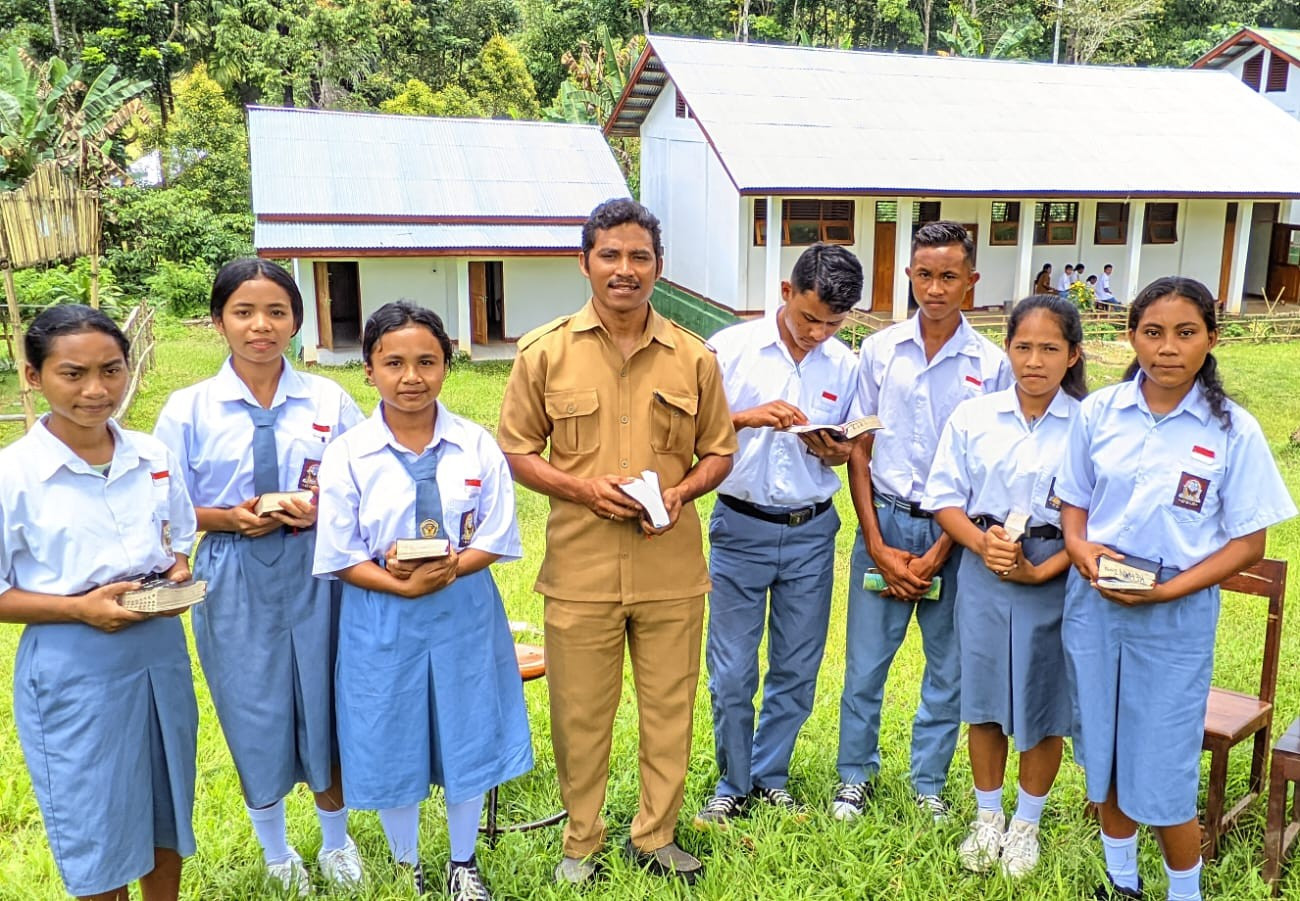
However, teaching about diversity comes with its own challenges. Most students at SMK Gema Nusantara 5 grow up in relatively homogeneous environments. They are accustomed to being surrounded by people with similar backgrounds and have limited opportunities to interact with people who are different from them.
For Pak Agus, this meant that diversity could still feel unfamiliar to some students. He began looking for ways to help students not only understand what diversity means, but also become more comfortable with embracing and appreciating it.
Finding a Different Way to Learn
He began to find an answer in 2022, when a colleague introduced him to PeaceGen. Through PeaceGen’s training programs, Pak Agus discovered game-based learning and the 12 Basic Values of Peace (12 NDP). He saw how these approaches could make learning about diversity more connected to students’ own experiences.
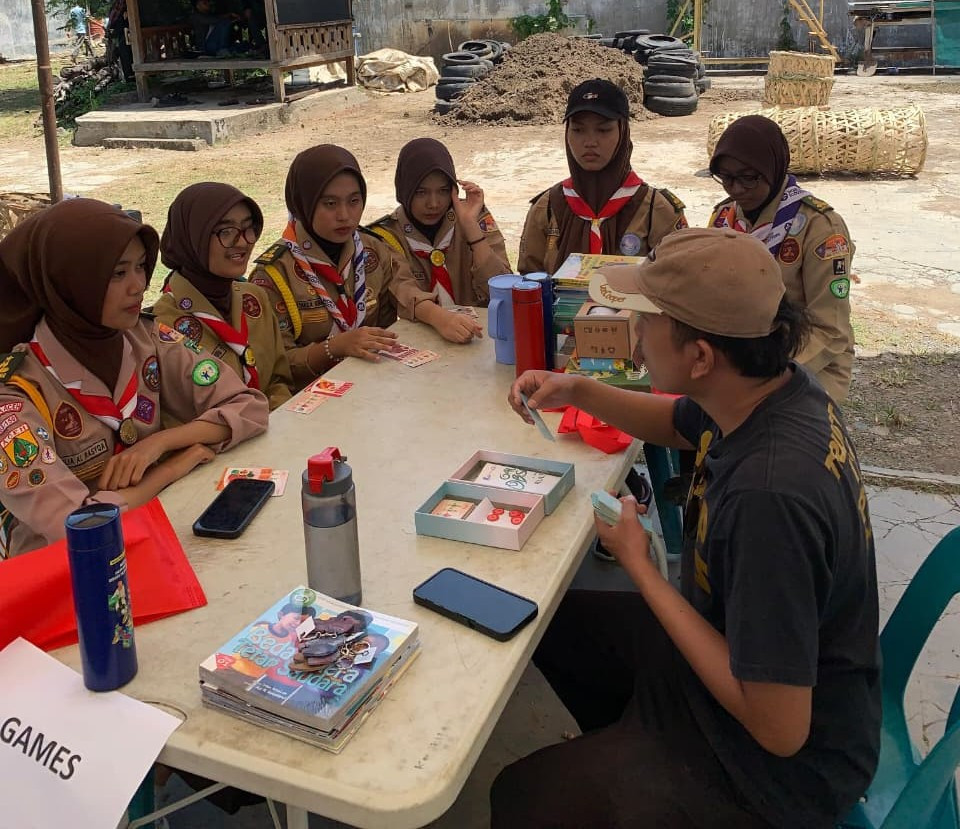
Rather than simply explaining concepts such as empathy and differences, students were encouraged to experience them firsthand through games, discussions, and reflection. They learned to see situations from different perspectives and understand that everyone can have different experiences.
For Pak Agus, this approach felt practical and relevant. He began incorporating it into his classroom teaching.
Over time, he started to see changes. Students who had previously been more passive became more engaged in discussions. They became more open to understanding other people’s perspectives and more willing to interact with differences.
Seeing this impact, Pak Agus realized that this learning should not stop in his own classroom.
Bringing Change to the School
After participating in PeaceGen’s training, Pak Agus began sharing what he had learned with fellow teachers at his school.
He wanted to make sure the approach could be applied more broadly, giving more students opportunities to learn about empathy and diversity.
His efforts did not stop at sharing knowledge with other teachers. Pak Agus also advocated for the 12 Basic Values of Peace to become part of activities and learning across the school.
He proposed incorporating the 12 NDP into the P5 curriculum and new student orientation programs. For him, introducing these values early can help students begin developing an understanding of diversity from the moment they enter a new school environment.
What started as Pak Agus’s own learning experience with PeaceGen gradually grew into an effort to create change throughout his school community.
One example was his initiative to introduce SMK Gema Nusantara 5 to PeaceGen’s Breaking Down the Wall program, encouraging students to interact and learn with students from schools with different backgrounds.
From One School to Another
Seeing how this approach helped his students, Pak Agus began thinking beyond his own school.
He realized that the challenges surrounding diversity are not unique to one school. That is why he wanted to share the experiences and lessons he had gained with more educators.
Pak Agus began introducing the 12 Basic Values of Peace to teachers at other schools. He hopes these values can be applied in more educational settings and help more students understand and appreciate diversity.
For Pak Agus, education about diversity is not simply about recognizing that everyone is different. More importantly, it is about learning how to live together with empathy and mutual respect.
Pak Agus’s journey with PeaceGen shows that a homogeneous environment does not have to be a barrier to creating an inclusive school. With the right approach, the classroom can become a space where students encounter different perspectives, open themselves up to new experiences, and learn to appreciate diversity.
Change began in one classroom. From there, Pak Agus brought it into his school—and then took it even further.
His journey continues with the belief that the more students learn to understand and embrace diversity, the better prepared they will be to navigate a world shaped by differences.